Understanding German Dialects: Differences and Similarities Across Regions
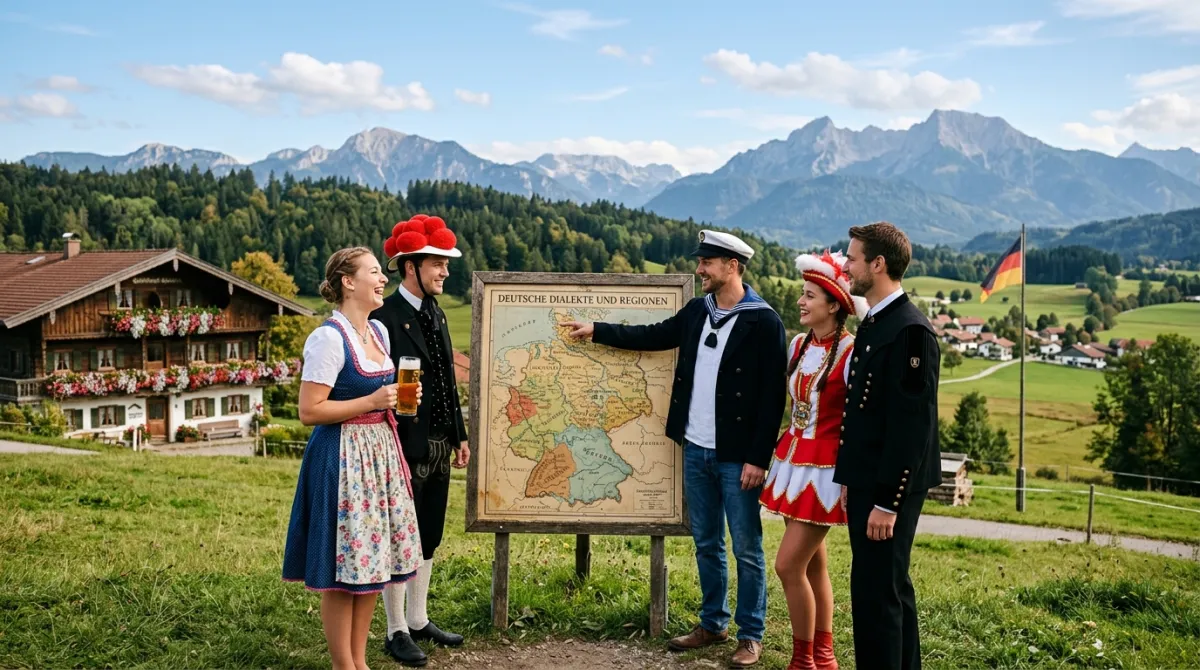
German is a fascinating language with a rich linguistic landscape . While it is true that Germany has various dialects, the idea that they are completely unintelligible from one another is a misconcep...
German is a fascinating language with a rich linguistic landscape. While it is true that Germany has various dialects, the idea that they are completely unintelligible from one another is a misconception.
In this article, we will explore the diversity of German dialects, highlighting their unique features and shedding light on their similarities.
From Swiss German to Low German, Austrian German and the Berlin dialect, we will delve into the characteristics that make each dialect distinct.
By understanding the different German dialects, German learners can appreciate the linguistic diversity within the German-speaking world.
Frequently Asked Questions
What is the most difficult German dialect?
Determining the most difficult German dialect is subjective and can vary depending on various factors such as one's linguistic background and personal preferences. However, certain dialects are often considered more challenging due to their intricate phonetic variations, complex grammar structures, and unique vocabulary.
What is the most common German dialect?
The most common German dialect is Standard German, also known as Hochdeutsch. It serves as the standardized form of the German language and is widely used in formal settings, education, media, and literature.
What is the difference between High German and Low German?
The main difference between High German and Low German lies in their geographic distribution and linguistic features. High German, or Hochdeutsch, is spoken primarily in central and southern Germany and forms the basis for Standard German. It is characterized by its use of the second consonant shift, which distinguishes it from Low German.
Are Upper German dialects the same as High German dialects?
No, Upper German dialects are not the same as High German variations - they are, in fact, a subdivision of the High German variations. There are three subgroups of High German variations: West Central, East Central, and Upper. Then, the Upper German dialects are further divided into three major groups: Alemannic in the west, Bavarian-Austrian in the east, and Franconian in the north.