German Cuisine Is Seriously Underrated
Let that sink in. Because for some reason, that's the international image of German cuisine'two dishes, both clich's, neither representative. It's like judging all of Italian food based on pizza and c...
No, it's not just Bratwurst and Sauerkraut.
Let that sink in. Because for some reason, that's the international image of German cuisine'two dishes, both clich's, neither representative. It's like judging all of Italian food based on pizza and canned tomato soup.
But German food? It's rich, regional, and unapologetically comforting.
If you are more of a "visual learner" [insider will understand this Seitenhieb (side blow)] here some tasters - I hope you are not vegetarian or vegan:
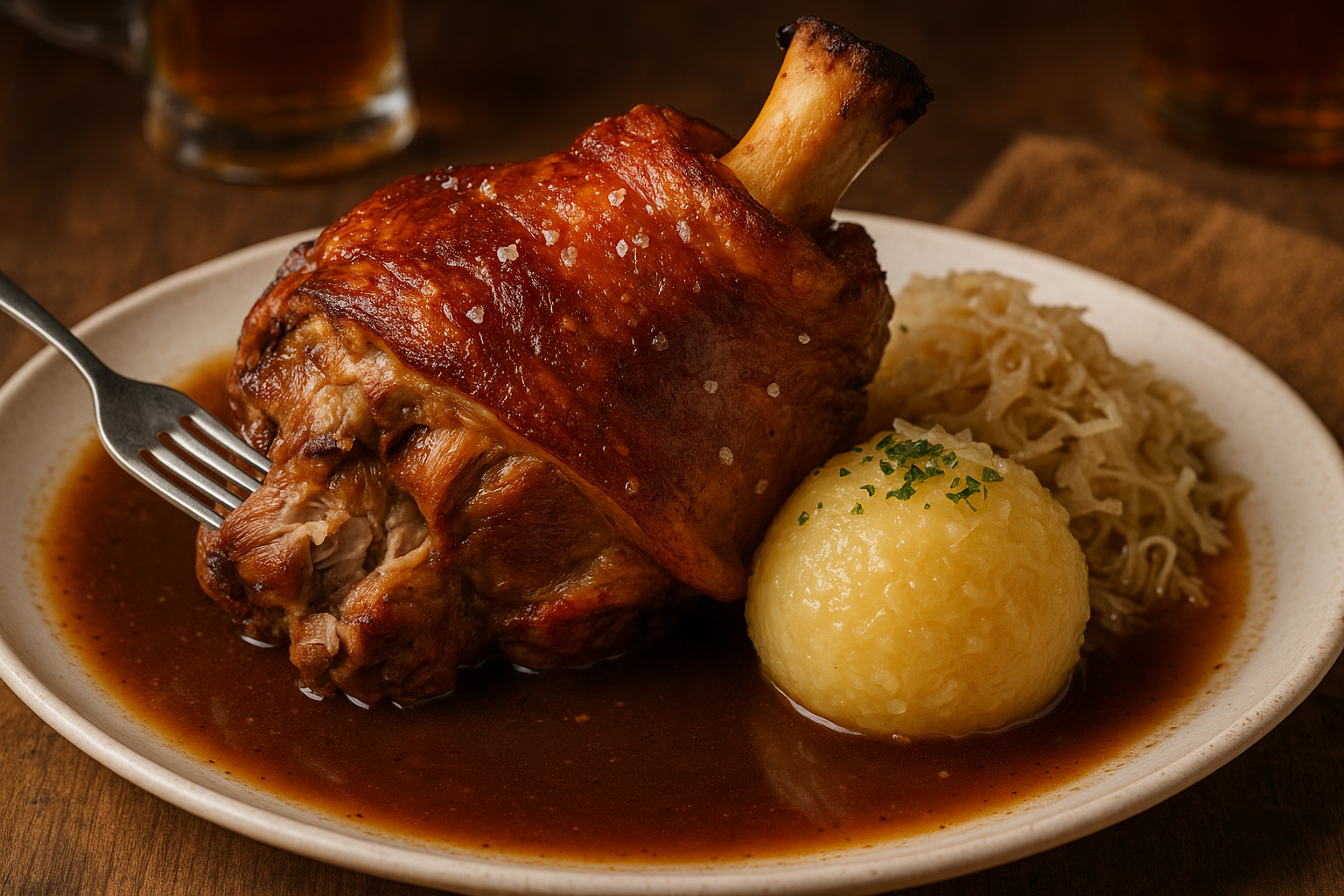
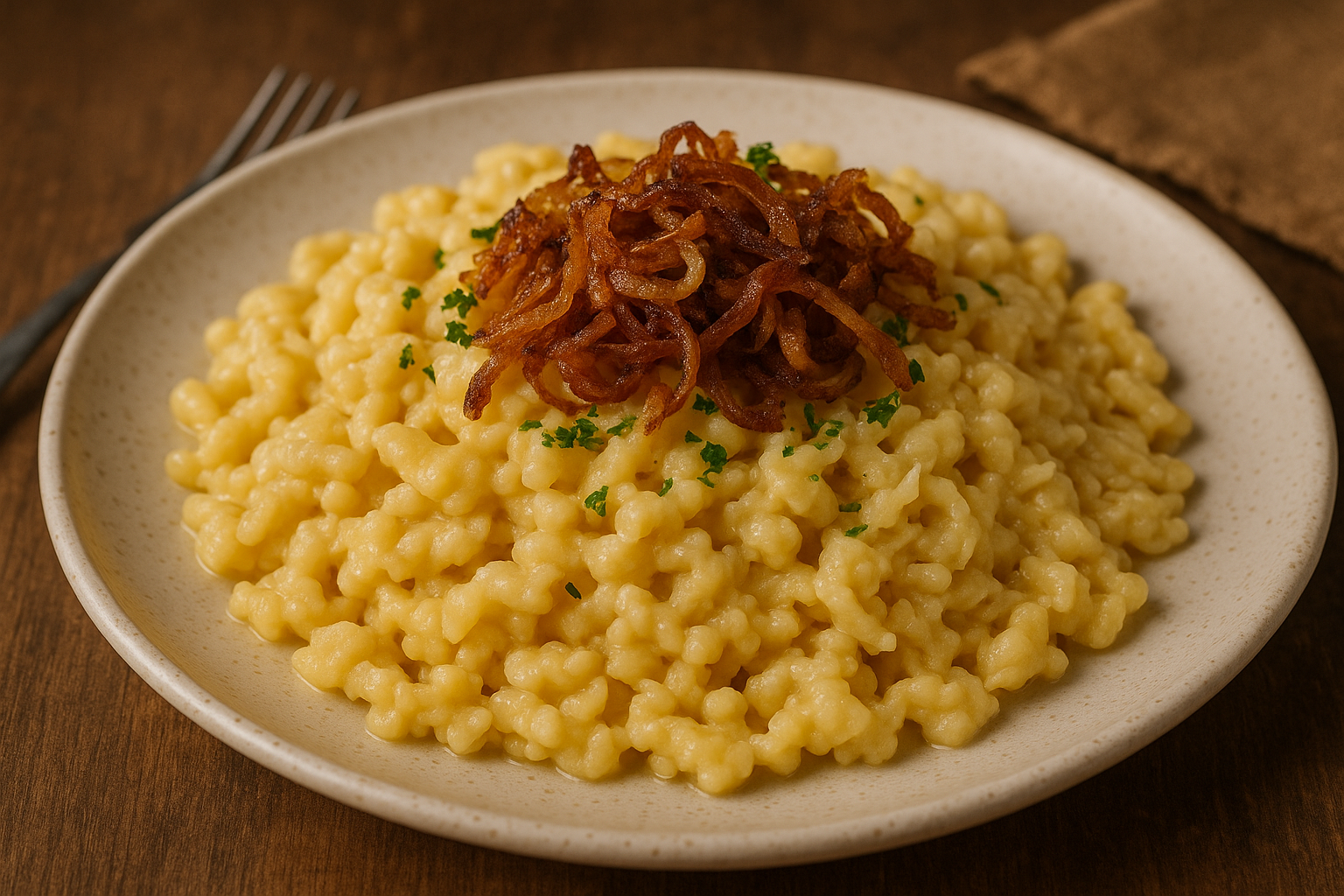
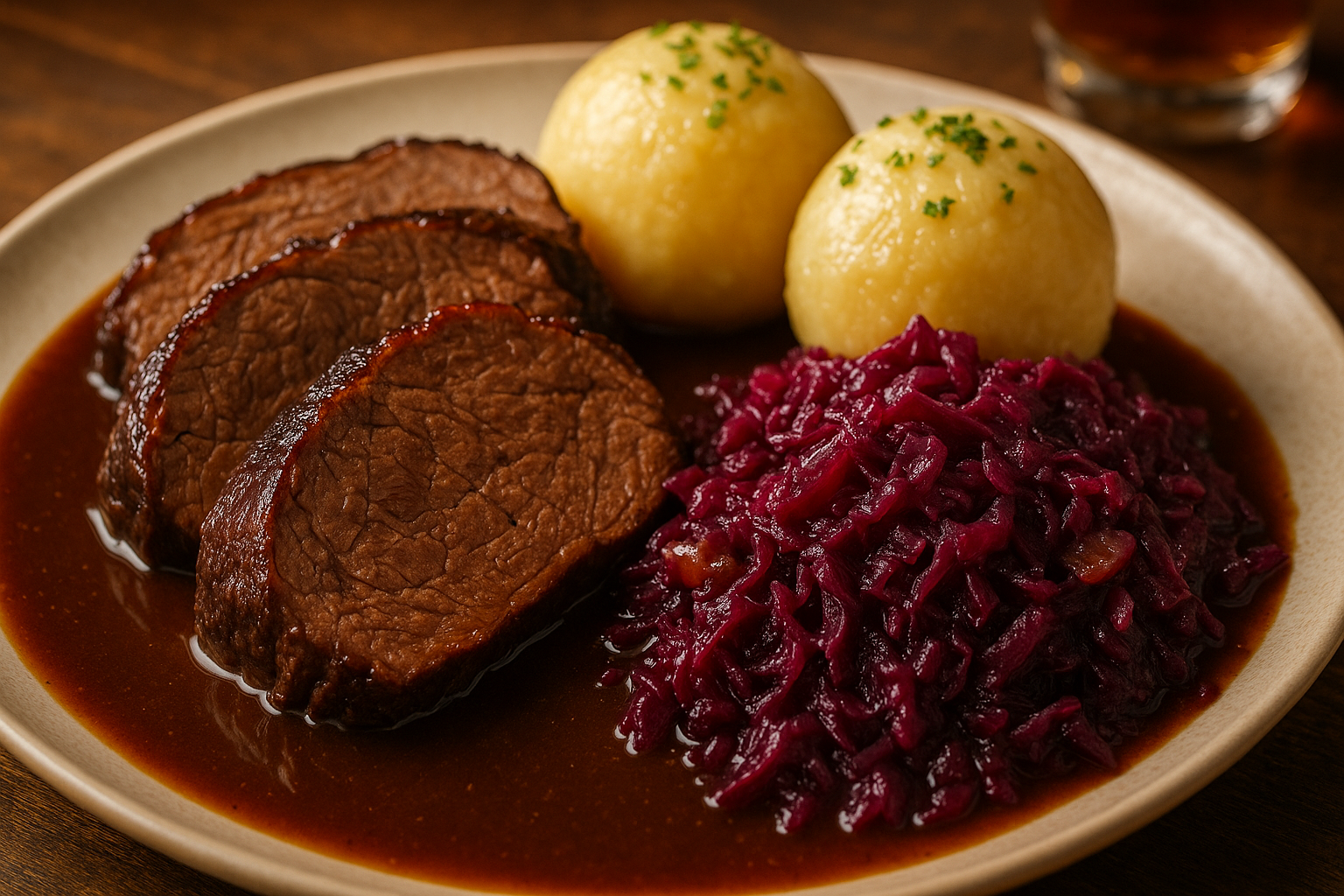
Think Swabian Sp'tzle'hand-scraped egg noodles doused in melted cheese and crisp onions. Or Sch'uferle, a Franconian pork shoulder dish so tender it practically shames pulled pork. Then there's Dampfnudeln, fluffy steamed buns with golden crusts, floating in creamy vanilla sauce'Bavarian soul food at its finest. Don't forget Northern Germany's fish dishes, either: herring, smoked eel, or Labskaus (yes, the name's unfortunate'but it's a fascinatingly pink, beet-based sailor's dish with pickles, corned beef, and a fried egg). It's rustic brilliance.
So what's the problem then? Why does German cuisine rarely get the love?
Simple: branding. German food has an image problem. While Italian and Japanese food are sold with elegance and minimalism, German food tends to be brown, honest, and unphotogenic. In a world chasing Mediterranean aesthetics, Matcha-drizzled everything, or the perfect New York crust, German dishes stubbornly remain local, hearty, and camera-shy.
But that's exactly the point.
German food doesn't need to dress up. It's functional, rich in heritage, and made to nourish'not pose for Instagram. It reflects its people: direct, practical, a bit reserved, but deeply rewarding once you get to know it. It's food that warms you, fills you, and makes you sit just a little longer at the table.
And when done right, it's absolutely phenomenal.
In recent years, there's been a quiet resurgence of interest in regional German dishes'led by modern chefs who embrace the tradition but update the presentation. Vegan versions of K'nigsberger Klopse exist. High-end restaurants serve deconstructed Maultaschen. And Berlin's food scene proves that even cabbage can be sexy when paired with confidence.
So next time you're tempted to dismiss German cuisine as bland or boring, take a moment to dig a little deeper. You might just discover one of the world's best-kept culinary secrets.
German food. Still misunderstood. Still incredible. Still worth every bite.
Unfortunately, not everyone shares my opinion. How about you? What experience do you have with the German cuisine? What's your favorite German dish? And what's your least favorite?
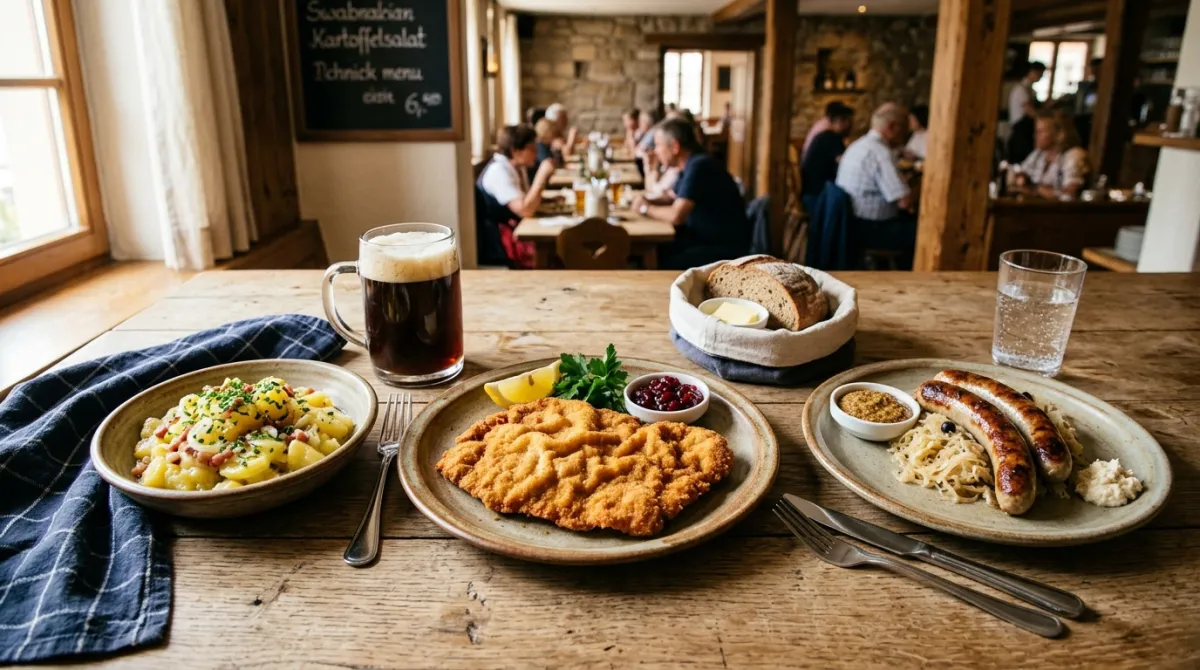
We have a saying in German "Das Auge isst mit" so here are some visualizations for you:
- https://www.dw.com/en/german-food-from-meat-to-meat-and-back-again/g-15681846
- https://theplanetd.com/traditional-german-food/
- https://www.seriouseats.com/german-cuisine-guides-5117086
- https://edition.cnn.com/travel/article/german-food/
Frequently Asked Questions
Is German food just sausages and potatoes?
No - Germany has rich regional cuisines, the best bread in the world, and a pastry tradition (Konditorei) that rivals France.