Public Holidays in Germany
Germany has between 9 and 13 public holidays per year depending on which state you live in. This range is not an accident. Unlike countries with a uniform national holiday calendar, Germany distribute...
German Public Holidays: What They Reveal
Germany has between 9 and 13 public holidays per year depending on which state you live in. This range is not an accident. Unlike countries with a uniform national holiday calendar, Germany distributes holidays unevenly across its 16 states, and the distribution maps almost perfectly onto the historical religious geography of the country. The calendar is a document of German history as much as it is a schedule of days off.
The National Ones
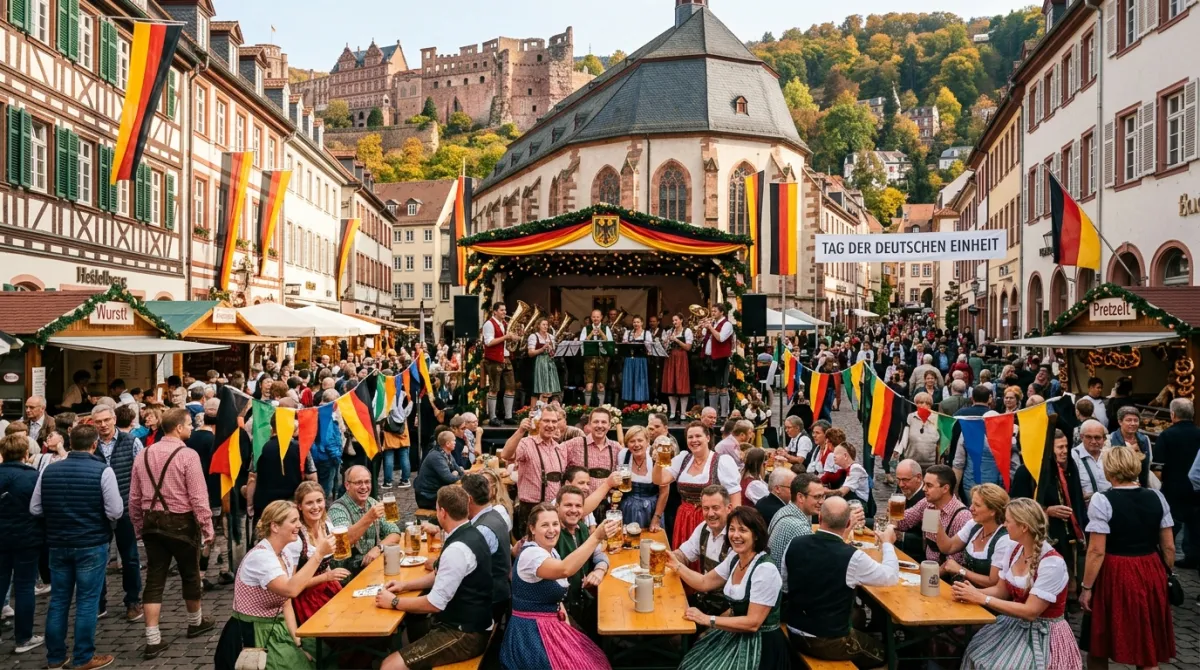
Some holidays apply everywhere. Neujahrstag - New Year's Day, January 1. Tag der Deutschen Einheit - German Unity Day, October 3, marking the reunification of 1990. This is the closest thing Germany has to a national day in the American or French sense, and its sobriety compared to many national celebrations is deliberate - Germans are wary of the kind of nationalism that spectacle encourages. Weihnachten gives two days: December 25 and 26. Good Friday and Easter Monday both count.
The Regionally Distributed Ones
Reformation Day (October 31) is a holiday only in the historically Protestant states - Brandenburg, Hamburg, Schleswig-Holstein, and others. All Saints' Day (November 1) is a holiday only in the Catholic states - Bavaria, Baden-Württemberg, North Rhine-Westphalia. The Epiphany (January 6) is a holiday in Bavaria, Baden-Württemberg, and Saxony-Anhalt but not elsewhere. Fronleichnam (Corpus Christi) applies in the Catholic states.
The practical consequence: if you work across multiple German states, you need a separate calendar for each. A company with offices in Hamburg and Munich operates on different public holiday schedules, and managing this is a genuine HR concern for many German employers.
How Germans Actually Spend Them
German public holidays are genuinely quiet. Shops are closed. Not reduced-hours closed - closed. Major supermarkets, retail stores, and most services shut down completely on public holidays, including Christmas Day and Easter Sunday. This surprises visitors from countries where commercial activity continues regardless of the calendar. Germans who forget to shop before a holiday either go hungry or find the one open petrol station.
The exception is the few states that have loosened regulations around shop opening on certain holidays, but this remains the minority. The principle that holidays should actually feel different from regular days is held more consistently in Germany than in most comparable economies.